
Interior & Crawl Space Waterproofing in NYC
Water beneath your home or damp lower walls? Our crawl space waterproofing contractors in NYC assess leaks, ground moisture and access. We explain suitable interior repairs, vapor barriers and drainage, with a clear written quote before work begins.
Our Interior & Crawl Space
Waterproofing Services
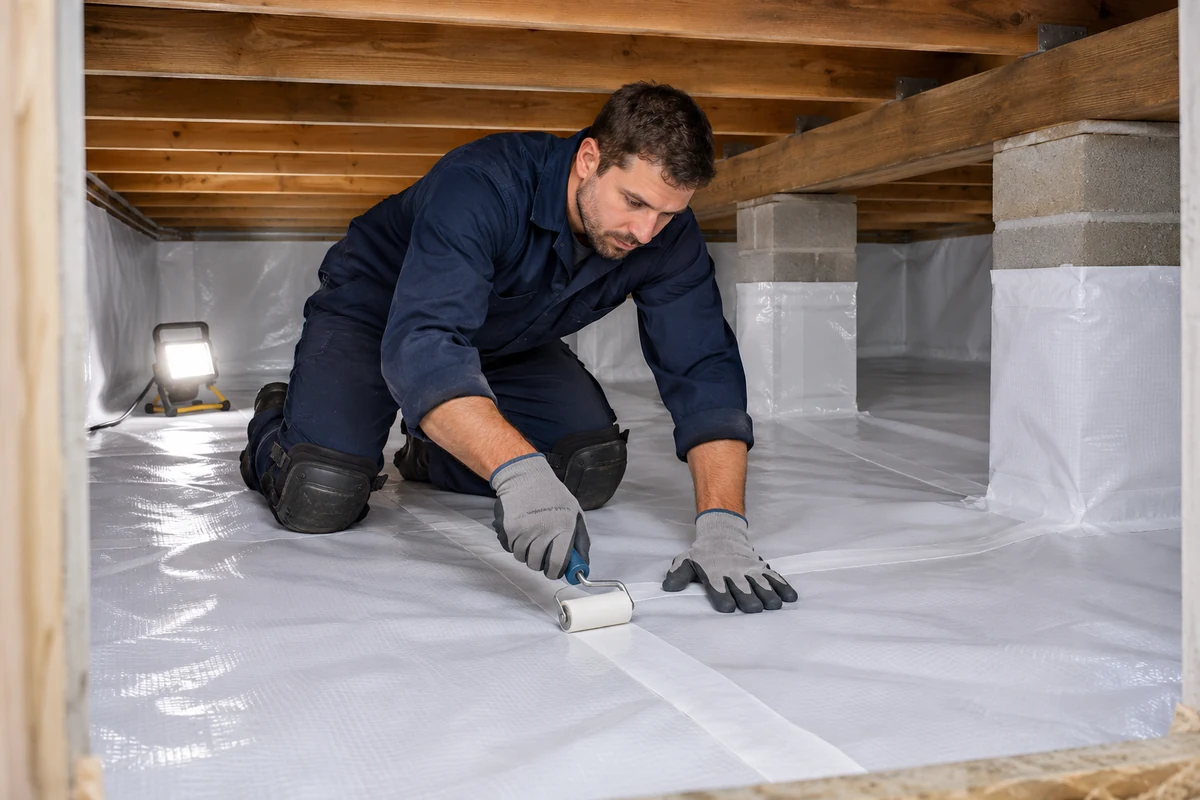
Crawl Space Encapsulation and Vapor Barriers
Exposed ground or torn coverings can allow moisture into a crawl space. We assess the area before installing a suitable vapor barrier, sealing seams and edges, and explaining whether additional humidity control is needed.
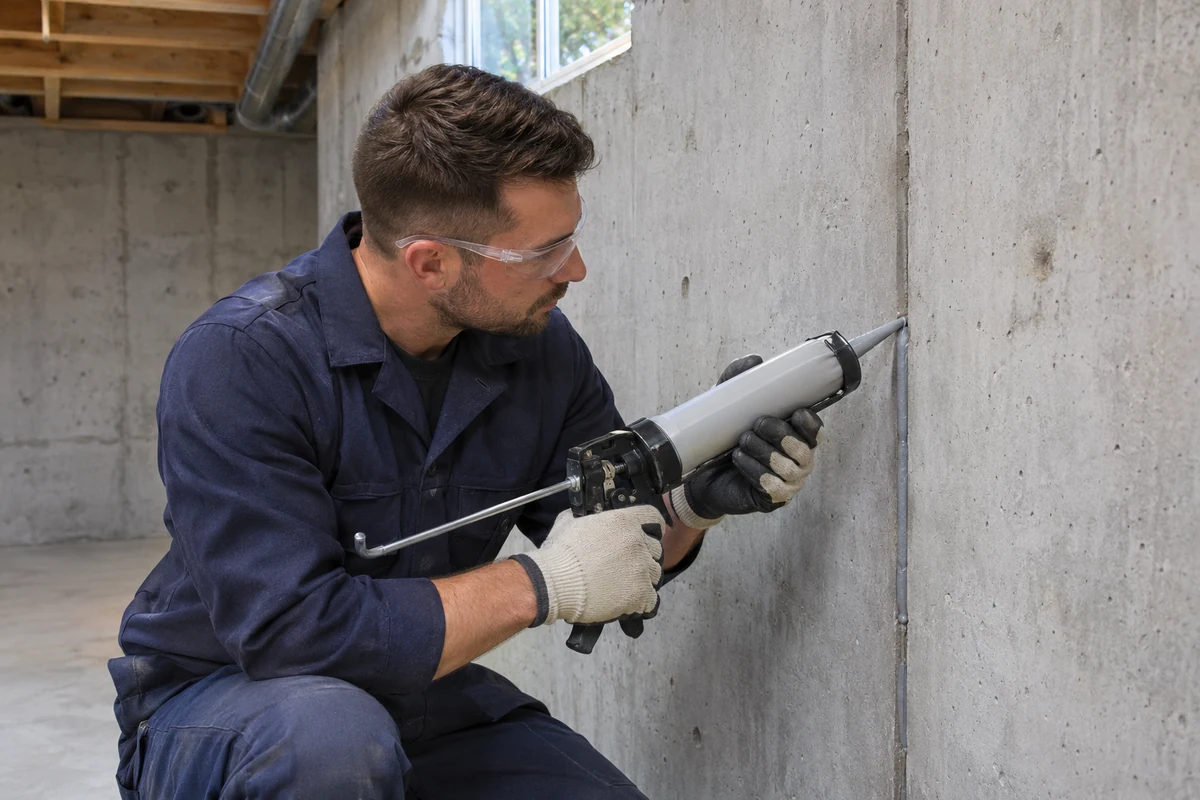
Interior Wall and Joint Sealing
A leak through an accessible wall crack or joint may suit a local repair. We check the surrounding surface and moisture source before recommending sealing, and explain any finishes that need opening or replacement.
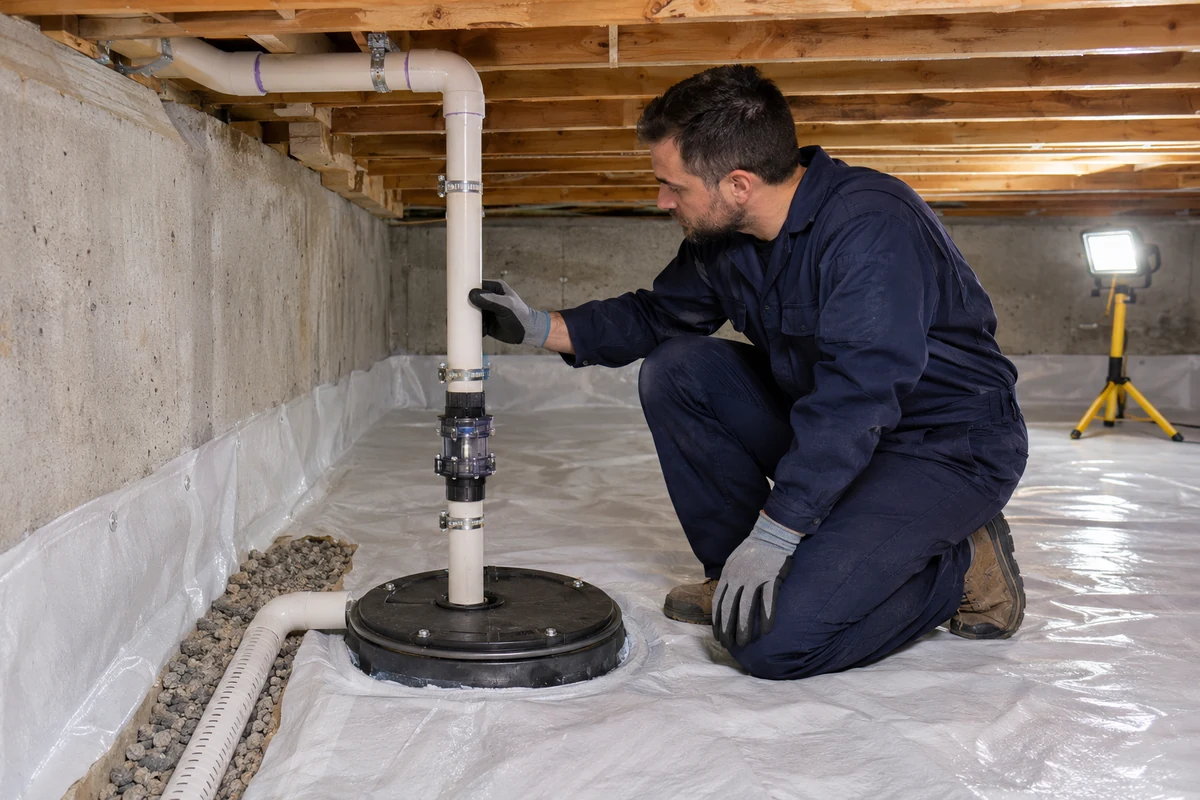
Crawl Space Drainage and Sump Pumps
Standing water needs an escape route. We assess crawl space drainage and sump pump options, including where collected water will discharge. The proposed work accounts for access, available power and future maintenance needs.
Signs Your Foundation May Need Waterproofing
A damp smell upstairs does not reveal the moisture source. Describe when it occurs and share photos from an accessible entrance. Do not enter an unsafe or flooded crawl space.
- Standing water after rain. Tell us where it collects and how long it remains so we can assess drainage needs.
- Damp soil or damaged ground coverings. Exposed earth, loose seams and torn liners help us identify gaps in moisture protection.
- Musty smells near the crawl space. We consider ground moisture, leaks and humidity before recommending a waterproofing or encapsulation plan.
- Wet interior wall joints. Show us stains or seepage along lower walls, especially where earlier sealing has started leaking again.
- Condensation beneath the floor. Droplets on pipes or surfaces may indicate humidity problems that need assessment alongside possible water entry.

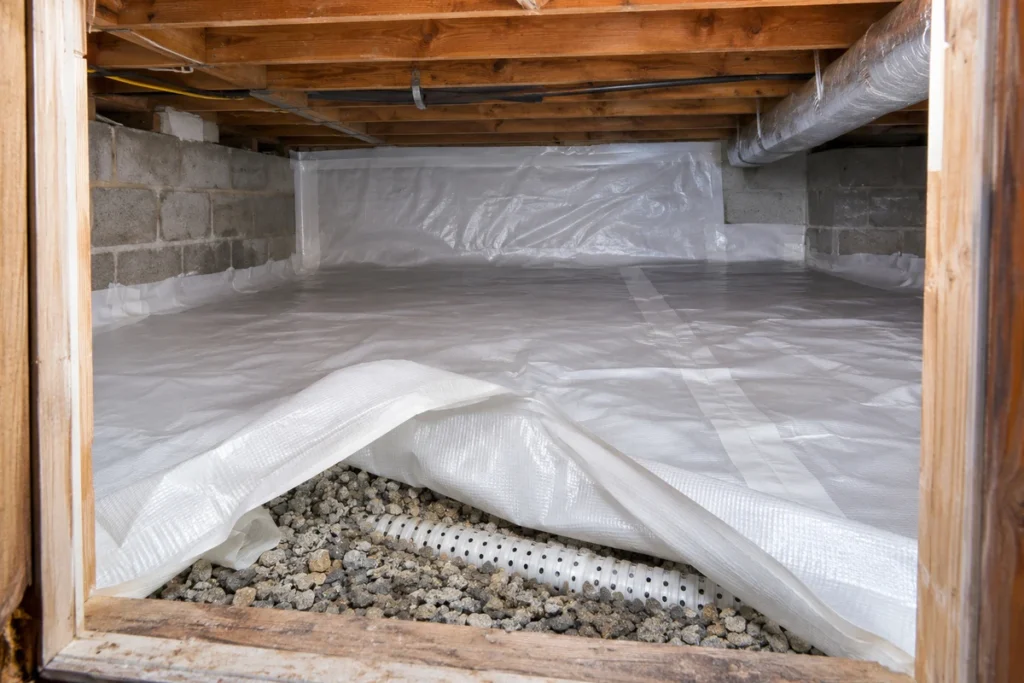
Does Your Crawl Space Need Encapsulation or Drainage?
Encapsulation uses a sealed vapor barrier to limit ground moisture entering the crawl space. Drainage manages liquid water that collects inside. Some properties need both, with a dehumidifier where humidity remains a problem. We explain access and maintenance requirements in your quote.
We assess water entry before covering the ground. Interior sealing alone may not address an outside source. Where accessible walls need exterior protection, we explain the options and link the work to our foundation waterproofing services.
What to Expect During Your
Crawl Space Inspection
-
1
Describe the moisture problem
Tell us about puddles, smells or damp walls and whether they follow rain. Share details of existing liners, drains, pumps and any previous attempts to fix the problem.
-
2
Review access and visible conditions
We assess accessible ground coverings, walls, joints and drainage. Low clearance, pipes or damaged materials may restrict inspection; we explain any preparation or further specialist assessment needed.
-
3
Discuss the proposed work
Your written quote describes preparation, sealing, barriers, drainage and equipment where needed. We explain which materials will be removed, how the space will be accessed and the expected schedule.
-
4
Learn how to maintain the system
At completion, we explain relevant checks, equipment operation and upkeep. We review applicable warranty terms and show you which changes, such as new puddles or damaged seams, to report.
Our Service Areas
Call Us Now
+17189084716
We provide waterproofing across New York City and nearby areas, including:
Interior & Crawl Space Waterproofing FAQs
Cost depends on the area, clearance, existing coverings, water entry and proposed work. Removing damaged materials or adding drainage and a sump pump changes the scope. We inspect the space before providing a written quote with inclusions and exclusions.
A vapor barrier helps control moisture coming from the ground, but it is not a substitute for managing leaks or collected water. We assess why puddles form before recommending drainage, repairs or encapsulation. A liner alone may leave the problem unresolved.
Sometimes. Local sealing or interior drainage may help where an adjoining building blocks exterior access. These options do not waterproof the outside face of the wall. For water entering a full-height cellar, see our basement waterproofing services.
Moisture control does not replace structural repairs or mold remediation. If we notice damaged wood or suspected mold, we explain the need for a separate assessment. Any additional work and responsibilities should be clear before coverings or finishes are installed.
Request a Free Crawl Space Waterproofing Inspection
Send your NYC address and describe the damp area. Mention the access opening, low clearance and any existing pump or liner. We serve Manhattan, Brooklyn, Queens and the Bronx. Contact us to arrange a visit and discuss suitable work for your space.
