If your basement takes on water every time it rains hard, you are not dealing with bad luck, you are dealing with a specific cause that has a specific fix. In New York City it almost always comes down to one of four things: groundwater pushing up under pressure, the sewer backing up during heavy rain, water pooling against your foundation because of how the ground is graded, or cracks letting water straight through. The reason a basement keeps flooding even after someone "waterproofs" it is that they treated the wrong one.
Here is how to figure out which problem you actually have, and what genuinely stops it.
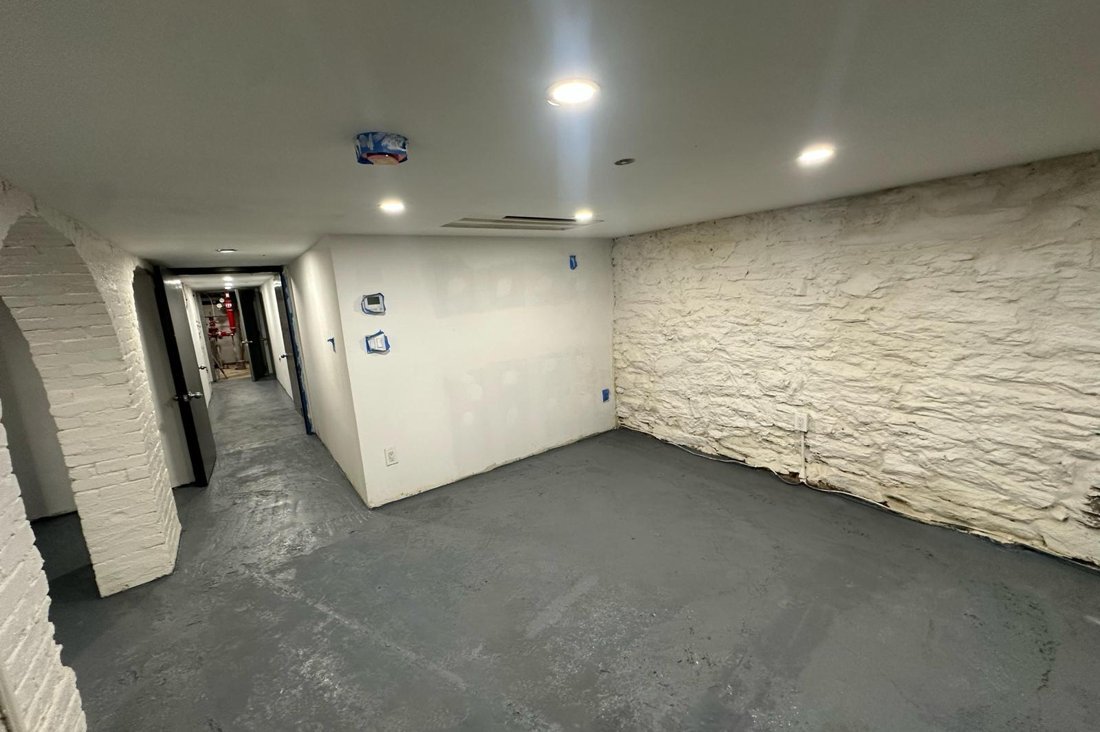
1. Hydrostatic pressure from a high water table. After a heavy storm the ground around your foundation saturates, the water table rises, and the water has nowhere to go but against your walls and slab. That pressure is measured in thousands of pounds, and it is strong enough to push moisture straight through solid concrete. In NYC this shows up most often at the cove joint, the seam where the basement floor meets the wall. Low-lying neighborhoods near the water, places like Canarsie, East New York, and Flatlands in Brooklyn, or Flushing and South Ozone Park in Queens, sit close enough to the water table that a big rain brings it within inches of the slab.
2. Sewer backup. Large parts of the city run on a combined sewer system, meaning storm runoff and household wastewater share the same pipes. During heavy rain those pipes surcharge, and when the main can't take any more, the water reverses and comes up through your basement's floor drains and fixtures. The NYC Department of Environmental Protection notes that the most common trigger for a backup is blocked pipes from grease and wipes going down drains. This one is not just water, it is a contamination and health problem, which is why it needs to be treated seriously.
3. Poor grading and surface runoff. A lot of NYC buildings went up long before modern drainage standards, so the ground and concrete around them often slope *toward* the building instead of away. Every storm, that runoff collects against the foundation and works its way in. Cracked sidewalks, sunken patios, and downspouts that dump water right next to the wall all make it worse.
4. Foundation cracks. Freeze-thaw cycles and settling open small cracks in the walls and floor. On a dry day they look harmless. Under the pressure of a rising water table or a downpour, those same hairline cracks become the easiest path for water to get in.
You can usually narrow it down by *where* and *when* the water shows up:
Many older homes have more than one of these at once, which is why a real diagnosis matters more than a one-size product.
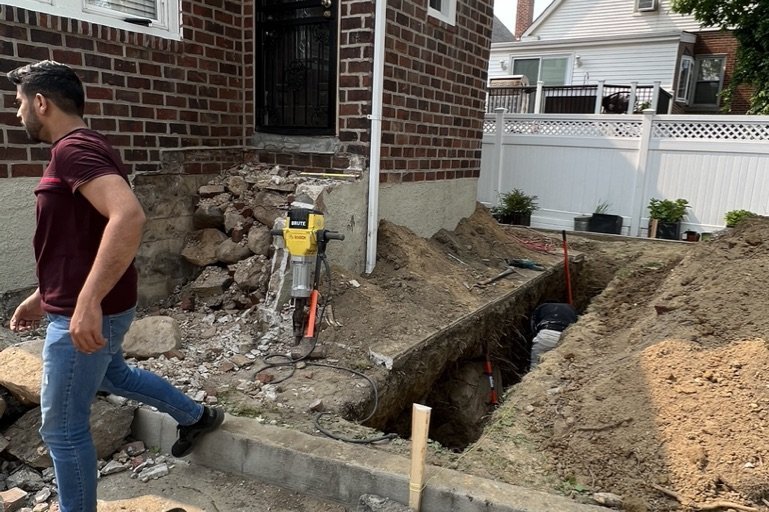
The fix depends on the cause, but these are the tools that do the real work:
Sump pump with a battery backup. For hydrostatic pressure, a sump pump is the last line of defense, it collects the water that reaches the low point and pumps it out. The catch is that the storms that flood basements are the same storms that knock out power, so a pump without a battery backup often fails exactly when you need it. An undersized or 7-to-10-year-old pump is worth replacing before it lets you down.
Backwater valve. For sewer backups, a backwater valve installed on your sewer line lets wastewater flow out but snaps shut when it tries to flow back in. It is one of the most effective protections against combined-sewer surcharge, and the NYC DEP offers financial assistance for installation in certain flood-prone zones.
Interior drainage system. A French drain or interior perimeter drain installed at the cove joint channels incoming water to the sump pump before it ever spreads across the floor. This is the workhorse fix for ongoing groundwater intrusion.
Exterior waterproofing. For persistent pressure and active leaks, sealing the foundation from the outside, excavating down to the footing and applying a membrane, is the only truly permanent solution because it stops water before it reaches the wall. It is a bigger job, but for a basement that floods every season it is the one that ends the problem.
Crack repair and grading fixes. Foundation cracks need to be properly sealed, not plastered over, and the ground and downspouts around the house should be corrected so water drains away from the building instead of toward it.
The reason a basement floods again a year after being "fixed" is almost always that someone treated the symptom. Painting on a waterproof coating or troweling hydraulic cement over a crack can slow surface dampness, but it does nothing against thousands of pounds of hydrostatic pressure or a surcharging sewer. Those coatings peel and those patches let go, and the water comes right back. Sealing over a crack without addressing the pressure behind it is a temporary bandage, not a repair.
Because so much of this is tied to local geography and infrastructure, the right solution genuinely varies by neighborhood. A home near Jamaica Bay fighting a rising water table needs a different approach than a house on higher ground where the problem is runoff, or a block on an overloaded combined sewer where a backwater valve is the priority. It is worth having someone who works in these specific conditions look at yours rather than guessing.
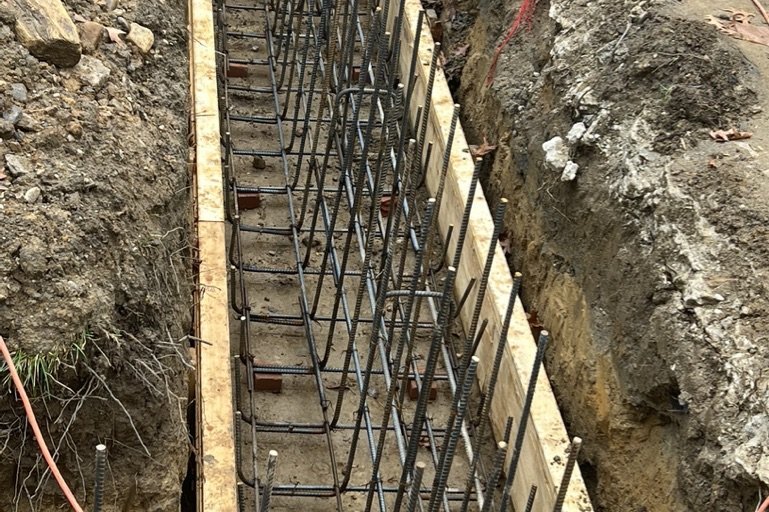
At NYC Waterproofing we start by finding out *why* your basement is taking water, then fix that cause, whether it is an interior drainage system and sump pump, a backwater valve, foundation crack repair, or full exterior waterproofing. If your basement floods every time it rains, it will keep doing it until the underlying problem is addressed.

